
Ratings & Contributions
Our Sustainability Ratings
Independent ESG ratings support Belimo’s sustainable development by identifying potential risks and opportunities, and by guiding corrective measures. They also provide stakeholders with an objective view of the Group’s internal operations and value chain practices.
EcoVadis ESG Rating
Belimo undergoes an annual EcoVadis assessment based on a comprehensive ESG questionnaire covering environmental impact, labor and human rights, ethics, and sustainable procurement. Since 2024, Belimo has required its suppliers to obtain an EcoVadis ESG rating to ensure that ESG risks are managed throughout the entire procurement process. During the reporting period, Belimo was once again awarded the EcoVadis Silver Medal. At the same time, it has significantly improved its score in the area of sustainable procurement.
EcoVadis ESG Score: 71/100
MSCI ESG Rating
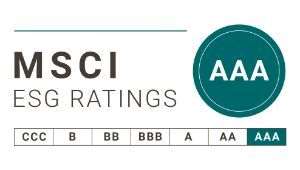
The goal of the MSCI ESG Rating is to identify industry leaders and laggards based on companies' exposure to ESG risks and the management of the financially relevant risks and opportunities.
Belimo received an industry leader rating of AAA in the latest MSCI ESG Rating (December 2025).
Our Contribution to the UN Sustainable Development Goals
Belimo supports the UN Sustainable Development Goals (SDGs). Through its business activities, products, and solutions, Belimo actively contributes to achieving these goals.
SDG 3: Good Health and Well-Being
Belimo contributes to SDG 3 by ensuring optimum indoor air quality and wellbeing in rooms. Its intelligent HVAC components control the major factors affecting room climate: temperature, humidity, air flow, CO2, and volatile organic compounds (VOCs). High-performance HVAC systems and proper humidification strategies are required to maintain stable and healthy indoor air quality. For ensuring optimum conditions, Belimo sensors are a critical link between the HVAC system and the zones it serves.
SDG 7: Ensure access to affordable, reliable, sustainable, and modern energy for all
Buildings and their HVAC systems play a critical role in the doubling of the global rate of improvement in energy efficiency stipulated by SDG target 7.3. An estimated 30% of all energy used in buildings is lost due to insufficiently controlled systems. By providing smart HVAC controls, Belimo makes an active contribution to SDG 7.
SDG 8: Decent Work and Economic Growth
With its sustained economic growth and the continuous creation of new and attractive workplaces, Belimo contributes to SDG 8. Other contributions include employee empowerment, the fostering of their skills, and equal employment practices.
SDG 9: Industry, Innovation and Infrastructure
With respect to SDG 9, Belimo sets standards in HVAC damper actuator, control valve, and sensor and meter technologies. While the majority of Belimo field devices drive the energy efficiency of buildings, it is its fire and smoke actuators that contribute to their resilience.
SDG 11: Sustainable Cities and Communities
By 2050, two thirds of all humanity – 6.5 billion people – will live in cities. The megatrend of urbanization actively drives the number of people living and working indoors and, with it, the necessity of intelligently controlled HVAC systems. Concerning SDG 11, Belimo helps make cities more sustainable and safer by providing products such as the Belimo Energy Valve™ or a wide range of safety actuators for motorized fire dampers and smoke control dampers.
SDG 12: Responsible Consumption and Production
Belimo contributes to SDG 12 by upholding sustainable procurement practices and localized sourcing, minimizing waste, and optimizing logistics through the modularization of its product ranges and by applying environmental management standards at its main production sites.
SDG 13: Climate Action
Buildings are responsible for 40% of worldwide energy consumption and for the climate changes caused by their GHG emissions. Of this, another 40% is consumed by HVAC systems. The application of Belimo products saves energy in buildings' HVAC systems, thereby creating measurable sustainability benefits and significantly contributing to SDG 13.